

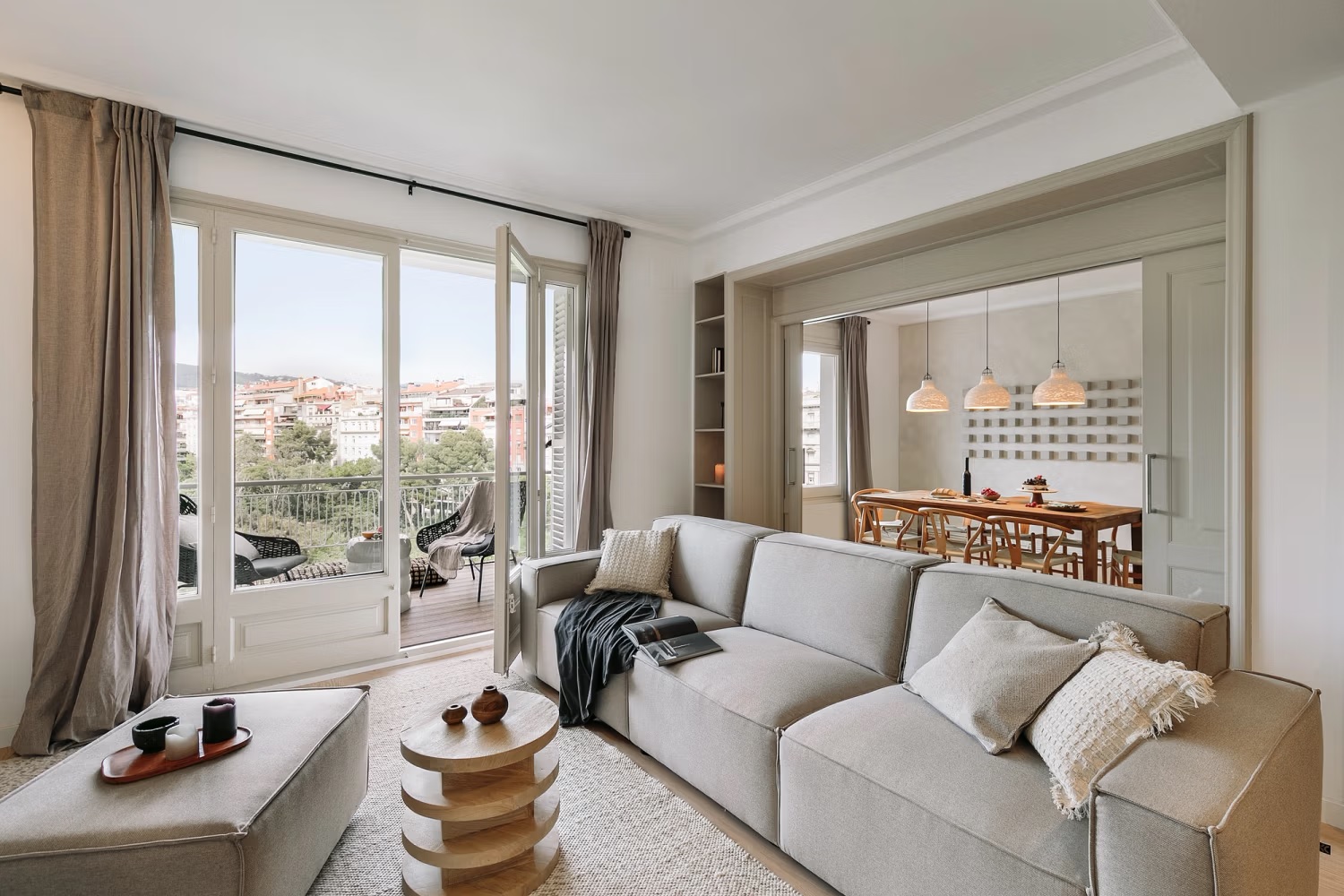
Introduction: A Defining Feature of the Urban Skyline
As cities stretch their limits skyward, apartments have become far more than a housing solution—they are the very framework of urban life. What once served as modest, practical dwellings for city workers has evolved into sophisticated abodes designed to complement a fast-paced, interconnected world. Today’s apartments are not just places to sleep and store possessions; they are thoughtfully curated spaces that reflect modern values of community, sustainability, and convenience.
The Historical Backbone: From Necessity to Innovation
The history of apartments is as layered as the buildings themselves. In ancient Rome, the insulae housed families in multi-storey complexes. Centuries later, the industrial revolution fueled a mass migration to cities, and apartments—then called tenements—sprang up to house the influx of laborers. These early models were often overcrowded and unsanitary, but they sowed the seeds for a housing style that would adapt with changing social needs.
Fast forward to the post-war era: urbanization picked up pace, and apartments shed their utilitarian image. Architects such as Le Corbusier and Ludwig Mies van der Rohe reimagined multi-unit housing as modernist statements—airier, cleaner, and designed for dignified living. From brutalist high-rises to today’s sleek glass towers, apartments have mirrored society’s shifts in values and aesthetics.
Designing for the 21st Century: Compact Yet Comfortable
Modern apartments demonstrate the art of balancing limited space with expansive living experiences. Developers and designers have embraced the challenge of creating interiors that feel generous, even within tight footprints. Open-plan layouts, large windows, and clever storage solutions are now standard practice, ensuring residents don’t feel boxed in.
Some of the hallmarks of contemporary apartment design include:
-
Multifunctional Spaces: A living room doubles as a home office; a kitchen island becomes a dining table or workbench.
-
Natural Light and Ventilation: Floor-to-ceiling windows, glass balconies, and atriums invite sunlight and air, creating a healthier indoor environment.
-
Minimalist Aesthetics: Neutral palettes, sleek fixtures, and unobtrusive furniture help make small spaces feel uncluttered and elegant.
-
Smart Technology: Automated lighting, climate control, and integrated security systems offer convenience and peace of mind.
Community and Connection: The Social Fabric of Apartments
Unlike detached houses that often encourage privacy and distance, apartments thrive on a subtle balance between seclusion and community. Shared corridors, elevators, gyms, gardens, and rooftop terraces turn chance encounters into friendships. Many urban dwellers find that living in an apartment nurtures a comforting sense of belonging.
New developments often go a step further by creating curated communal areas:
-
Co-working Spaces: A nod to the rise of remote work, many modern complexes offer shared work zones for residents.
-
Recreational Facilities: Pools, fitness centers, and game rooms cater to diverse interests without residents ever leaving the building.
-
Events and Clubs: Social committees organize movie nights, yoga sessions, or community gardening, making urban living feel warmer and more intimate.
Accessibility and Location: Living Close to Life’s Essentials
One of the greatest advantages of apartments is location. They are typically situated in vibrant, well-connected neighborhoods where shops, schools, cultural hubs, and transit lines are just a short walk away. This proximity offers a quality of life that suburban sprawl rarely matches. For young professionals, students, and families alike, living close to work and leisure reduces commute times, freeing up precious hours for rest or recreation.
Many cities now embrace the concept of mixed-use developments—complexes that house apartments alongside offices, cafes, markets, and parks. Residents step out of their elevators and into the heart of a micro-neighborhood, enjoying the pulse of urban life without needing to travel far.
Affordability: A Practical Path to City Living
In the face of soaring real estate prices, apartments remain a relatively affordable entry point into prime urban areas. While the dream of a detached house with a sprawling yard is out of reach for many, a well-designed apartment offers homeownership or rental in desirable districts where standalone houses would be prohibitively expensive.
Young buyers and downsizing retirees alike find apartments a sensible choice—lower maintenance costs, manageable sizes, and the security of shared premises often outweigh the appeal of more isolated living.
Sustainability: A Greener Urban Footprint
Apartments play a vital role in sustainable urban development. High-density living means that more people share resources—utilities, land, and infrastructure—resulting in less per capita consumption. Many modern buildings integrate green roofs, solar panels, rainwater harvesting, and waste segregation systems. Developers increasingly prioritize energy-efficient construction materials and designs that reduce heating and cooling demands.
Furthermore, apartments encourage car-free lifestyles. With transit, shops, and entertainment within walking distance, residents often forgo private vehicles altogether, reducing traffic congestion and carbon emissions.
The Rise of Co-Living: A Modern Twist on Traditional Apartments
As lifestyles change, so too does the apartment model. Enter co-living—a contemporary approach that blends private space with vibrant communal living. Popular with digital nomads and young professionals, co-living spaces offer furnished apartments with shared kitchens, lounges, and recreational areas. Residents sign flexible leases and benefit from built-in communities that ease loneliness in big cities.
Co-living reimagines the age-old idea of communal living but tailors it to modern tastes—stylish interiors, high-speed internet, regular social activities, and the freedom to relocate when life demands it.
Challenges: Finding Balance in Vertical Neighborhoods
Of course, apartment living is not without its trade-offs. Noise from neighbors, limited outdoor space, and restrictions on modifications can frustrate some. Not everyone enjoys sharing walls or waiting for an elevator. But for millions, these inconveniences are outweighed by the lifestyle benefits apartments deliver.
Conclusion: More Than a Dwelling—A Way of Life
Apartments have matured from basic shelters into aspirational homes that reflect our shifting values. They respond to the demands of modern urban life—compact yet comfortable, private yet social, efficient yet stylish. In the ever-expanding cities of tomorrow, apartments will continue to adapt and innovate, proving that vertical living is not a compromise but a thoughtful choice for people who wish to stay connected, live sustainably, and make the most of every square foot under the city skyline.