

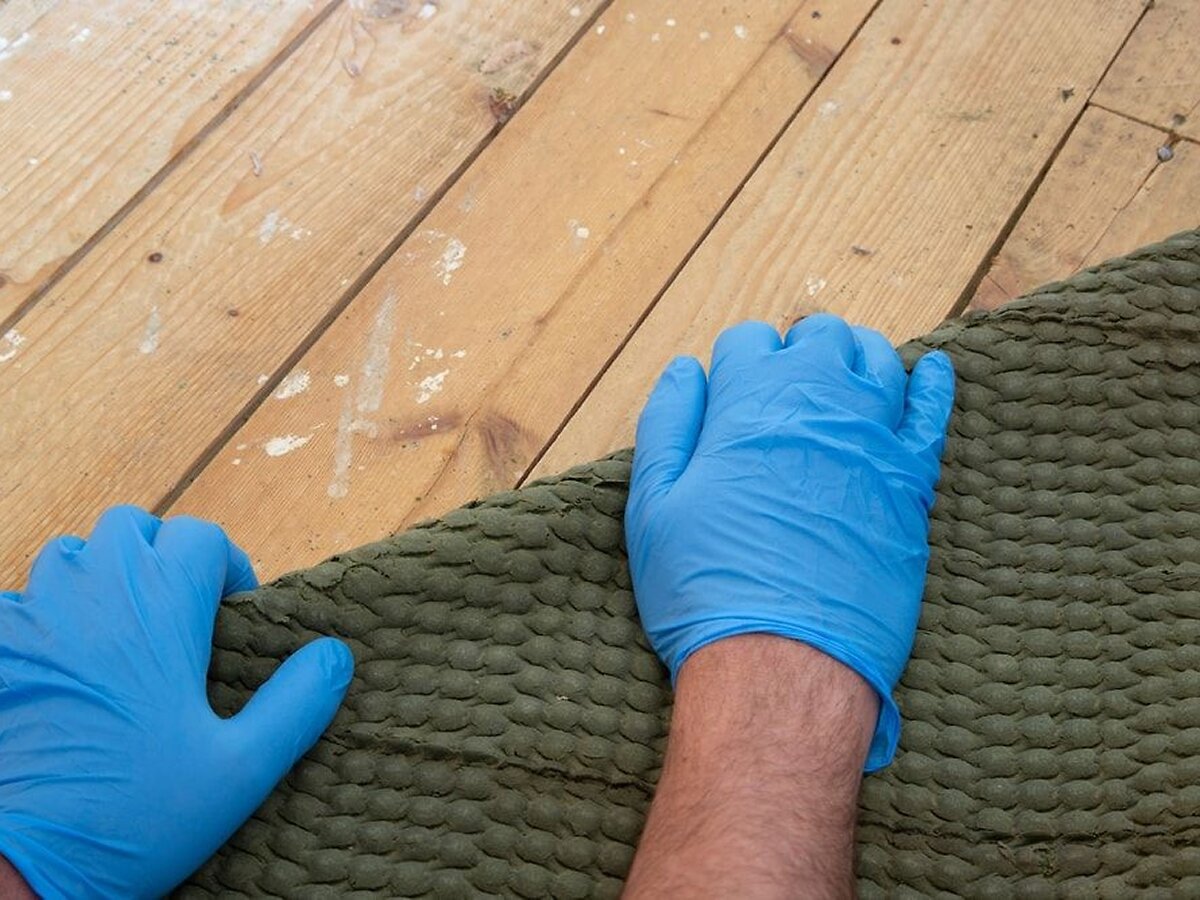
When a carpet is lifted, the old underlay can sometimes look good enough to keep. Reusing it may appear to reduce the cost and make the job quicker, but appearance alone does not show how well it is still supporting the floor above.
Homeowners comparing carpets in Falkirk should ask for the underlay to be assessed as part of the quote. The right decision depends on its age, condition and specification, as well as the carpet being fitted and the way the room is used.
What underlay does beneath the carpet
Underlay creates a resilient layer between the carpet and the subfloor. It affects how the carpet feels underfoot, helps absorb impact and can contribute to heat and sound insulation. It also supports the carpet backing as people walk across the room.
That support matters over time. An underlay that has compressed in the main traffic routes may no longer respond evenly. The new carpet can then feel firmer in some areas and softer in others, even when the surface looks uniform. Underlay should not be confused with structural floor insulation; the Energy Saving Trust’s floor insulation guidance explains the separate measures used to reduce heat loss through a floor.
Underlay cannot correct major faults in the floor itself. Loose boards, damp, damaged screed or pronounced unevenness need separate attention before installation.
Signs that old underlay should not be reused
Flattened areas are the clearest warning sign, particularly near doors, in front of sofas and along the route through a hallway. Crumbling foam, splits, persistent odours and marks from previous moisture are also reasons to replace it.
Even when the underlay looks tidy at the edge of a room, the centre may have taken years of concentrated use. Lifting a larger section allows its resilience and condition to be checked properly.
Old underlay may also be the wrong match for the new carpet. A product chosen for a previous lightweight carpet is not automatically suitable for a denser replacement, a stair installation or a room with underfloor heating.
Thicker is not always the better choice
Underlay is often marketed by thickness, but density, construction and intended use matter just as much. An option that feels very soft in a small sample may allow too much movement beneath some carpets. On stairs, a stable and suitable specification is particularly important because the carpet bends around each tread and receives concentrated wear.
Where underfloor heating is present, both the carpet and underlay affect how easily heat passes into the room. The combined thermal resistance should be checked against the heating and flooring manufacturers’ guidance rather than judged by feel.
The best choice is therefore the one that suits the carpet, room and installation system. It does not have to be the thickest or most expensive option on display.
Use replacement as a chance to inspect the floor
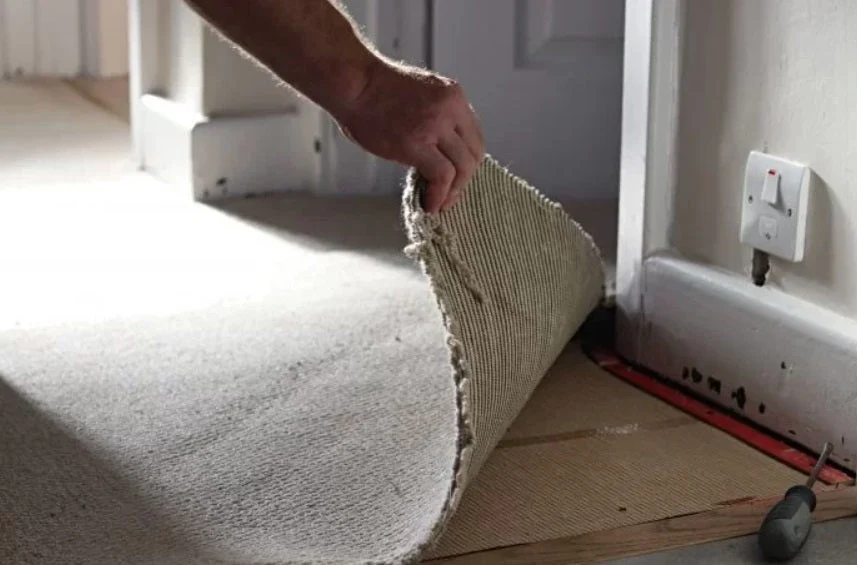
Removing the old carpet and underlay exposes areas that are normally hidden. This is a useful opportunity to secure squeaking floorboards, remove protruding fixings and investigate any staining or dampness before the new materials cover them again. If the old material is leaving the property, Recycle Now’s guidance on carpet and rugs explains the main reuse and disposal routes available to households.
Gripper rods and door bars should be checked at the same time. Some may be suitable to reuse, while damaged, loose or badly positioned sections may need replacement. Dealing with these details before fitting helps the installation proceed more smoothly.
Compare the complete floor, not one line of the quote
When comparing prices, ask what type of underlay is included and why it has been recommended. A cheaper quote may exclude underlay or assume the old material will remain, while another may include replacement, floor preparation and new accessories.
Reusing underlay can be reasonable when it is recent, undamaged and suitable for the new carpet. It should be a considered decision, not an automatic shortcut. Assessing the whole floor gives the new carpet a more consistent base and helps the finished room feel as good as it looks.