

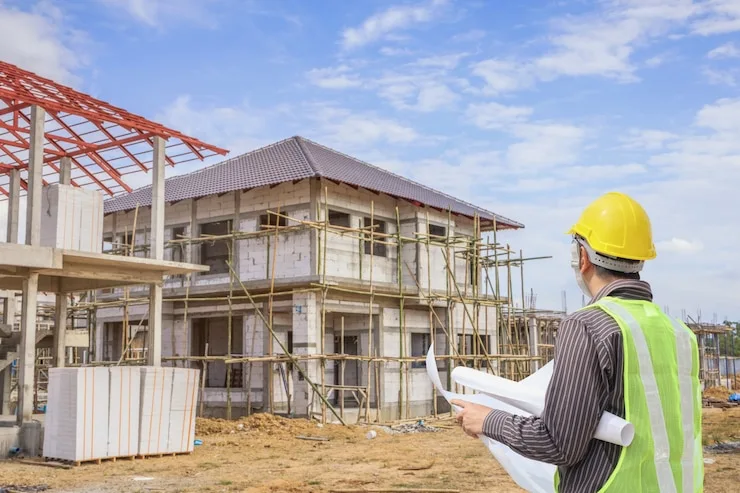
New build and residential construction focuses on the development of homes, apartments and housing communities that support the needs of individuals and families. It covers processes ranging from initial planning and design to material selection, construction methods and final completion. Residential construction plays an important role in shaping neighbourhoods, improving living conditions and providing spaces suited to modern lifestyles. Understanding how these projects progress offers insight into the wider construction industry and the considerations involved in creating functional living environments.
Planning Requirements for Residential Projects
Residential construction begins with careful planning. Local authorities review proposed plans to ensure they meet zoning requirements, environmental standards and building regulations. Planning decisions help determine the size, placement and layout of homes within a development. Site assessments are also carried out to understand soil conditions, access points, drainage and any potential constraints.
At this stage, designers and planners consider how the development will integrate with the surrounding area. This may include assessing traffic flow, utilities, green spaces and community facilities. Planning requirements influence the early stages of design and help ensure that new housing developments are safe, functional and appropriate for their location.
Designing Homes and Living Spaces
The design phase focuses on creating layouts that support comfortable and efficient living. Architects develop plans for individual homes as well as shared spaces within larger developments. Considerations include natural light, ventilation, room placement and how residents will move through the home. Structural engineers work alongside architects to ensure the building is safe and capable of withstanding environmental forces.
Residential design must also account for increasingly important factors such as energy efficiency and sustainable living. Insulation, heating systems and window performance all contribute to long-term comfort and reduced energy consumption. Information such as New build and Residential Construction provides further insight into how design decisions affect the performance and usability of residential buildings.
Construction Materials and Methods
Materials play a significant role in the durability and performance of residential buildings. Brick, timber, concrete and steel are commonly used for structural components, each offering different advantages. Material selection depends on cost, climate, desired appearance and the structural needs of the home.
Modern construction increasingly incorporates prefabrication and modular methods, where building components are manufactured off-site and assembled on location. These approaches aim to reduce construction time and improve quality control. Traditional methods remain common, particularly for bespoke homes or smaller developments. Regardless of the method used, sequencing tasks such as foundation work, framing, roofing and internal installation is essential for progress.
Health, Safety and Building Regulations
Residential construction must adhere to strict building regulations to ensure the safety and functionality of homes. Regulations cover areas such as fire safety, structural stability, insulation, accessibility and ventilation. Meeting these standards ensures that homes are built to a consistent and reliable level of quality.
On-site safety is also essential. Construction environments involve working at height, handling equipment and managing materials. Safety plans outline procedures to minimise risks, and workers receive training to handle tasks safely. Compliance with safety regulations protects both workers and future occupants.
Utilities and Internal Systems
New residential buildings require a wide range of internal systems, including electrical wiring, plumbing, heating and ventilation. These systems must be installed in accordance with regulations and tested before the home is occupied. Electrical systems support lighting, appliances and power distribution, while plumbing provides fresh water supply and waste removal.
Heating and ventilation systems contribute to living comfort and energy efficiency. Modern homes often incorporate energy-efficient boilers, heat pumps or mechanical ventilation systems. Coordinating these installations ensures that they work together effectively and that they are accessible for future maintenance.
Quality Control and Inspections
Quality control is an important part of residential construction. Regular inspections take place throughout the build to ensure that each stage meets required standards. Inspectors check structural components, waterproofing, electrical installations and plumbing systems, making sure they comply with regulations and design specifications.
Snagging takes place toward the end of construction, identifying small defects such as uneven finishes, minor leaks or alignment issues. Addressing these problems before handover ensures that homeowners receive a property that meets expected standards of workmanship.
Completion and Handover
Once construction is finished and inspections are complete, the home is prepared for occupancy. Final cleaning, system testing and documentation take place. Manuals and certificates provide information on how to operate and maintain components of the home, including heating systems, electrical installations and warranties.
Handover marks the final stage of the project, transferring responsibility from the construction team to the new owner or tenant. Documentation and clear communication help ensure that the transition is smooth and that occupants understand how to manage the property.
New build and residential construction involves a combination of planning, design, technical knowledge and practical skill. Each stage contributes to creating homes that are safe, functional and suited to modern living. Through careful coordination and adherence to regulations, residential construction supports the development of communities and the creation of long-lasting housing.