

Basement water problems tend to show up quietly. A faint musty smell after a storm, a damp spot near the wall, or boxes that never quite feel dry. In Cranston, where seasonal rain, snowmelt, and older housing stock often intersect, these early signs are more common than many homeowners expect. It usually feels manageable at first. Then one heavy storm changes everything.
That is often when people start looking for practical answers and end up researching options like basement waterproofing contractor cranston to understand what is actually causing moisture issues and how to stop them long term. Basement waterproofing is not just about comfort. It is about protecting the home’s structure and avoiding bigger problems down the road.
Why Basements In Cranston Are Especially Vulnerable
Basements sit below ground level, which already puts them at risk. Water naturally moves downward, and when soil becomes saturated, pressure builds against foundation walls. Over time, that pressure looks for weak points.
In Cranston, many homes were built decades ago, long before modern drainage and waterproofing methods were common. Aging foundations, outdated footing drains, and soil that holds moisture can all contribute to water intrusion. Even newer homes can experience issues if grading, downspouts, or drainage systems were not designed properly.
Basement waterproofing addresses these vulnerabilities by managing how water interacts with the foundation. Without that control, moisture problems tend to recur.
Early Warning Signs Homeowners Often Overlook
Most basement moisture problems give clues before they turn serious. The challenge is recognizing them for what they are. A small crack in the wall may seem harmless. White powdery residue near the floor can be mistaken for dust. A dehumidifier running constantly may feel like a normal solution.
These signs usually point to ongoing moisture. Efflorescence, the white residue often seen on basement walls, forms when water moves through masonry and deposits minerals. Musty odors suggest moisture has been present long enough to affect air quality.
Another common sign is condensation on pipes or walls. If surfaces stay damp even during dry weather, water is likely entering the basement regularly rather than only during storms.
What Basement Waterproofing Actually Involves
Basement waterproofing is not a single product or quick fix. It is a system that identifies where water enters and how it behaves once it does. Effective solutions begin with understanding the source of the problem.
Interior basement waterproofing often includes perimeter drainage channels, sump pumps to collect and remove water, and vapor barriers to help manage moisture. Cracks in foundation walls are sealed using materials designed to remain flexible as the home settles.
Exterior methods may involve improving grading, extending downspouts, or repairing foundation walls. In many Cranston homes, interior systems are the most practical option because they address water pressure directly and are less disruptive to install.
The goal of basement waterproofing is control. Water does not have to be eliminated, but it does need a managed path away from the foundation.
Why Surface Fixes Rarely Solve The Problem
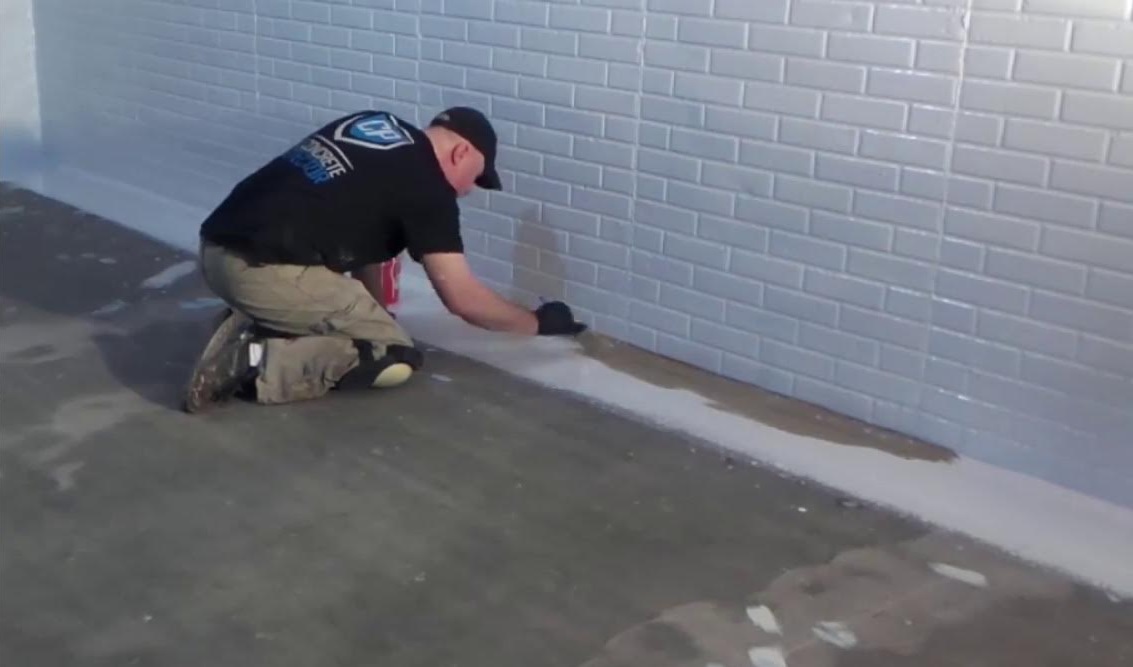
It is understandable to try simple solutions first. Waterproof paint, patch kits, and sealants are easy to find and promise quick results. Unfortunately, they often mask symptoms rather than address causes.
Water pressure does not stop because a wall looks sealed. When moisture is blocked at the surface, it often finds another route. In some cases, trapped moisture can actually worsen foundation damage over time.
Long term basement waterproofing focuses on relieving pressure and guiding water away. This approach protects the structure instead of fighting a problem that keeps returning.
How Waterproofing Protects Home Value
A dry basement plays a major role in protecting property value. Buyers are cautious about homes with water issues, even if repairs appear complete. Moisture history can affect inspections, negotiations, and resale confidence.
Basement waterproofing provides reassurance that the problem has been handled properly. It also allows homeowners to safely use basement space for storage, living areas, or future renovations without worrying about damage. In Cranston, where many homeowners plan to stay in their homes long term, waterproofing supports both daily comfort and future value.
Maintenance Still Matters After Waterproofing
Waterproofing systems work best when supported by basic maintenance. Keeping gutters clear, directing downspouts away from the foundation, and maintaining proper grading all reduce the amount of water reaching the basement walls.
It also helps to monitor the basement during heavy rain. Even with a system in place, staying aware of changes helps address small issues early. Prevention and observation go hand in hand. Prepared homeowners tend to experience fewer surprises and less stress when weather conditions change.
Choosing The Right Contractor Makes A Difference
Basement waterproofing is not something most homeowners want to redo. Choosing the right contractor the first time matters. Experience with local soil conditions, foundation styles, and drainage challenges helps ensure solutions are appropriate for the home.
A knowledgeable contractor takes time to assess the property, explain options clearly, and recommend systems that fit both the structure and the homeowner’s goals. This transparency builds trust and leads to better outcomes. In Cranston, local expertise often means understanding how older homes behave and how seasonal weather affects moisture patterns.
A Practical Next Step For Cranston Homeowners
Basement water problems rarely fix themselves. They tend to grow slowly until damage becomes more visible and more expensive to repair. Taking action early can save time, money, and frustration. Cranston Basement Waterproofing Contractors work with local homeowners who want dependable solutions for basement waterproofing concerns.
Whether you are dealing with active leaks or early warning signs, professional guidance can help you understand the best path forward. Protecting your foundation starts with understanding how water affects your home. And once that understanding is in place, it becomes much easier to keep your basement dry and your home secure for years to come.